Monday, April 1, 2013

Lagniappe* Now Offers Birth Photography!

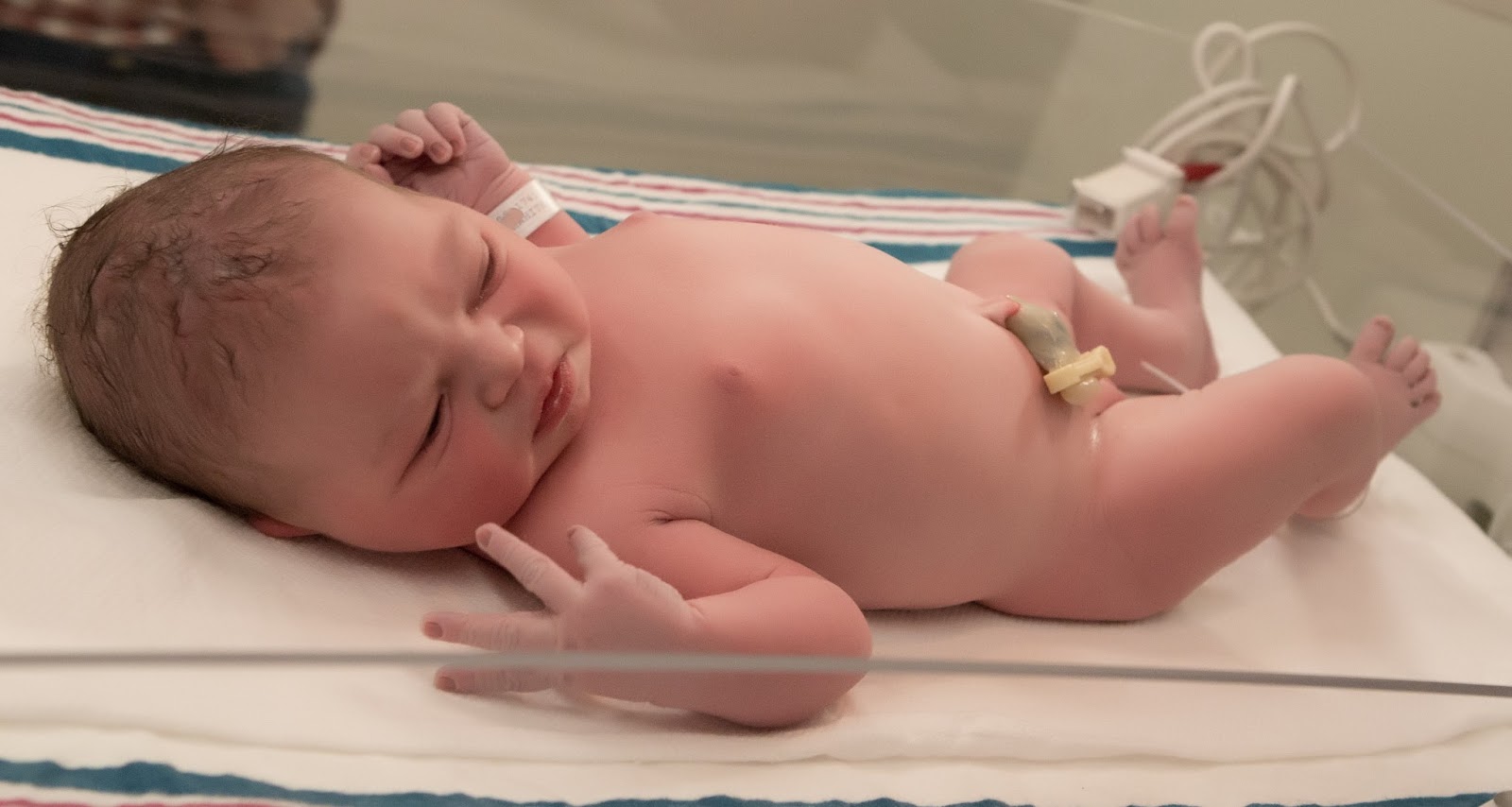
Peyton's Birth Day


Lagniappe* wishes to thank Peyton's parents and family for their awesome grace and generosity in allowing me to document the day of their gorgeous daughter's birth.

I am also grateful for the kind support of Dr. McMichen and Dr. Merijanian and the incredible Labor & Delivery and Nursery staffs of Madison Hospital. Thank you all from the bottom of my heart.


The video lasts over 12 minutes and reflects images and events from about 7 a.m. to 7 p.m., accompanied by Peyton's heartbeat and first cries, as well as sweet songs and lullabies.  Due to file size and licensing restrictions, only a small excerpt is available here.


Wednesday, March 6, 2013

Peyton Taylor = Pure Sweetness


Bonnets from Alpaca Atlantic of Tennessee

Lagniappe Newborn Portraits is tickled to introduce you to a line of newborn bonnets from Alpaca Atlantic of Tennessee. Visit: http://www.alpaca-atlantic.com/. From the super soft fibers of her alpacas, Lisa Olsen designs these gorgeous hats . The fibers are cleaned meticulously, then "nuno-felted" by hand onto a 100% linen shell lined with 100% silk. Lisa adds her special touches, artistry and fabulous sense of color to these one-of-a-kind creations.


Thursday, January 31, 2013

Madison Hospital's Medi Gras Bash!


Join Lagniappe* Newborn Portraits at the Medi Gras Bash on Saturday, February 9, 2013, and help raise funds for the new Madison Hospital Breast Center. This festive Mardi Gras-themed party will feature a casual buffet with New Orleans-style cuisine, a specialty drink and cash bar, live music provided by The Purple Ravens, and a fabulous silent auction!  Last year's King Cake and parade were awesome!!!

At the silent auction, bid on and win a Lagniappe Newborn Session, complete with digital images and announcements, as did last year's winner above.


For more information, please call (256) 265-8077.

Monday, December 31, 2012

Happy New Year!

Lagniappe* wishes you a happy new year!  
Thank you to all the families that brought us incredible joy throughout 2012.


Friday, December 28, 2012

My Christmas Lagniappe


My friend Krista is an artist.  Krista sees people, I mean really sees people, even those far away.  For the holidays, she designed a truly awesome holiday card.  And she gave me a vintage postcard!  Somehow Krista knew this postcard would bring me incredible pleasure.


I believe the card is postmarked April 7, 1908.  M. Roty’s semeuse or sower stamp design spanned 1906 to 1937; the reddish-brown ten-centime stamp appears most frequently from 1906 to 1920.  Sent by Carine and Edmee (sisters?), the card sends a thousand good kisses from your two little cousins (females) to Mr. and Mrs. Breard, Bracquetuit farmers, near St. Victor l’Abbaye, a French commune dating back to the 13th century (in the district of Haute-Normandie, in the county of Seine-Maritime, in district of Arrondissement de Dieppe).  The French department of Seine-Maritime was previously known as Seine-Inférieure, noted at the end of the address.

And here is a St. Victor l’Abbaye chateau postcard with the same stamp postmarked 1908.


But the pièce de résistance  is the hand-tinted photo 
on the postcard’s face with the greeting “Happy Easter."


A photo of two babies in the style of today’s newborn photography, 
complete with adorable props!

I believe this hand-tinted postcard may have been custom made by B.C.L. (lower right corner).  Perhaps the babies are the two little cousins sending good kisses.  But hand-tinted postcards were also "mass produced."  The process of hand-tinting cards was labor intensive and unhealthy.  Mostly women artists sat in rows while the postcards were passed down “assembly line” style.  Each woman was responsible for a particular color.  The cards were small, the artwork detailed.  The artists would wet the tip of their brush, usually cotton covered, with their lips as they worked.  Soon the lead in the paint took its toll as women became sick.  Hand-tinted postcards declined throughout Europe in the early 1900s, but lingered somewhat in France and Belgium.  

So, of course, by now you must know that I am looking to photograph 
a similar scene for next Easter.  But I plan to digitize the color!  Anyone interested?